Thriving in Shade: Landscaping Solutions for Low-Light Gardens Jan 30, 2026
To begin, it's important to evaluate the amount of shade in your garden. Shade is not a one-size-fits-all condition; different areas may receive varying degrees of light throughout the day. Identifying whether your garden is full shade, partial shade, or dappled shade will guide your plant selection and design choices.
Once you have determined the shade level, it's time to select shade-tolerant plants. Many plants thrive in shaded gardens, offering vibrant colors and textures. Hostas, for example, are ideal for full shade and provide stunning foliage with an array of colors and sizes. Ferns are another excellent choice, adding a lush, tropical feel. For a splash of color, consider impatiens or astilbes, both of which bloom beautifully even without direct sunlight.
In addition to choosing the right plants, pay attention to soil quality. Shaded areas can be particularly prone to poor soil due to lack of decomposition from sunlight. Improve soil quality by incorporating organic matter such as compost or well-rotted manure, which adds nutrients and improves drainage. Good soil health is crucial for plant success, as it supplies essential nutrients that help plants grow despite limited light.
Moreover, consider creative landscaping techniques that enhance the aesthetic appeal of your shade garden. Layer different heights and textures to create depth and interest in your design. Use taller plants and shrubs to create a natural canopy or backdrop, complemented by medium-height plants, and finish with ground-covering species to fill in the gaps.
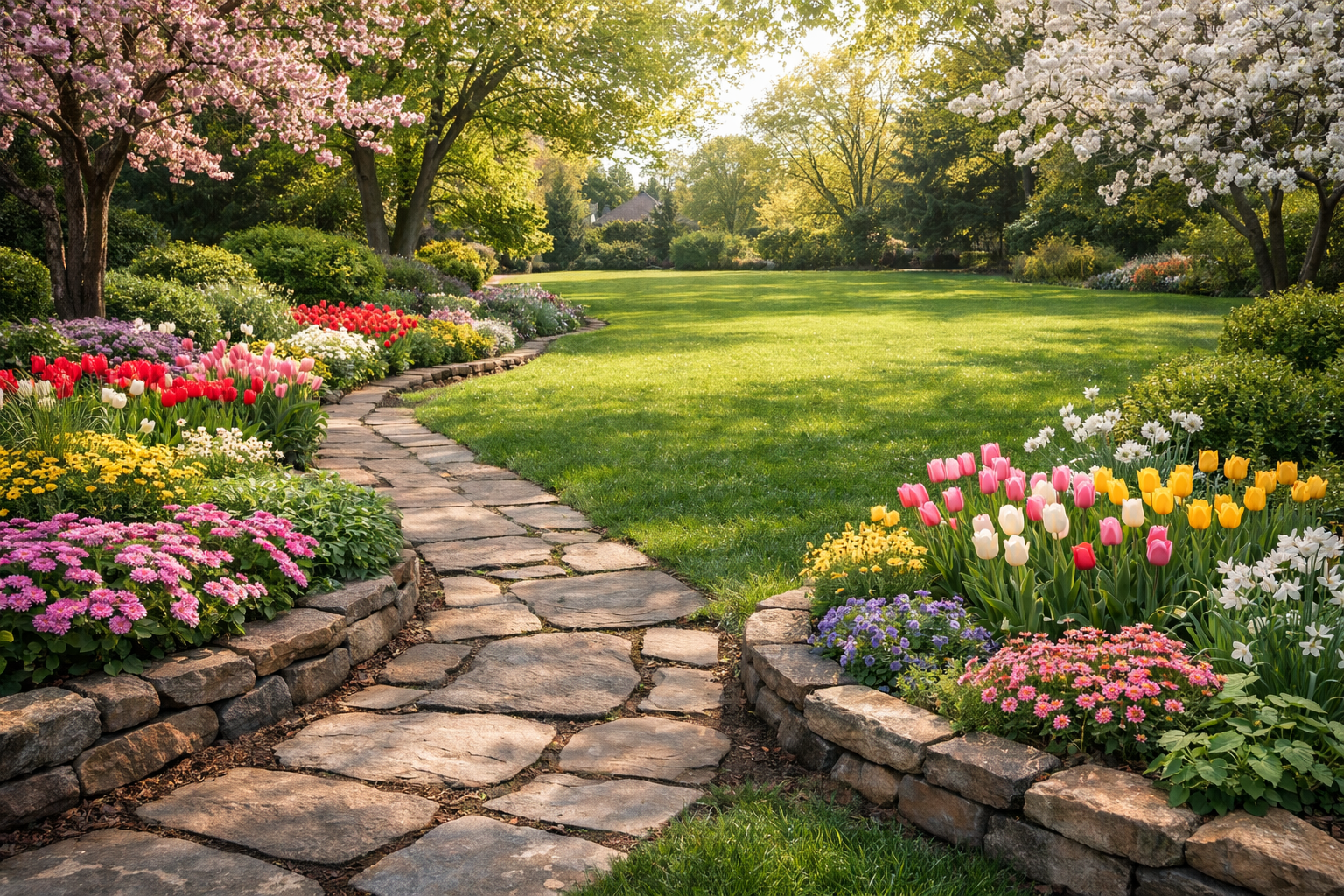
Hardscaping elements can also play a significant role in low-light gardens. Incorporate elements such as pathways, stones, or benches to break up the green space and provide structure. Water features like fountains or ponds can add tranquility and reflect light, making your garden appear brighter.
Remember, maintenance in a shade garden is key to keeping it thriving. Regular pruning ensures that plants do not become overcrowded, allowing air circulation and adequate space. Keep an eye out for pests and diseases, which can be more common in damp, shaded areas. Apply mulch to conserve moisture during dry periods and reduce weed growth, ensuring your plants have the best chance to thrive.
In conclusion, transforming a shaded garden into a picturesque landscape requires thoughtful planning and execution. With the guidance of Extra Mile Landscape & Irrigation, you can create a low-light garden that not only survives but thrives. By selecting suitable plants, improving soil conditions, and incorporating creative design elements, your shaded space can become an inviting, serene haven. Whether you're tackling a small corner or a large swath of shaded land, the right approach will lead to a garden that offers beauty, comfort, and satisfaction year after year.