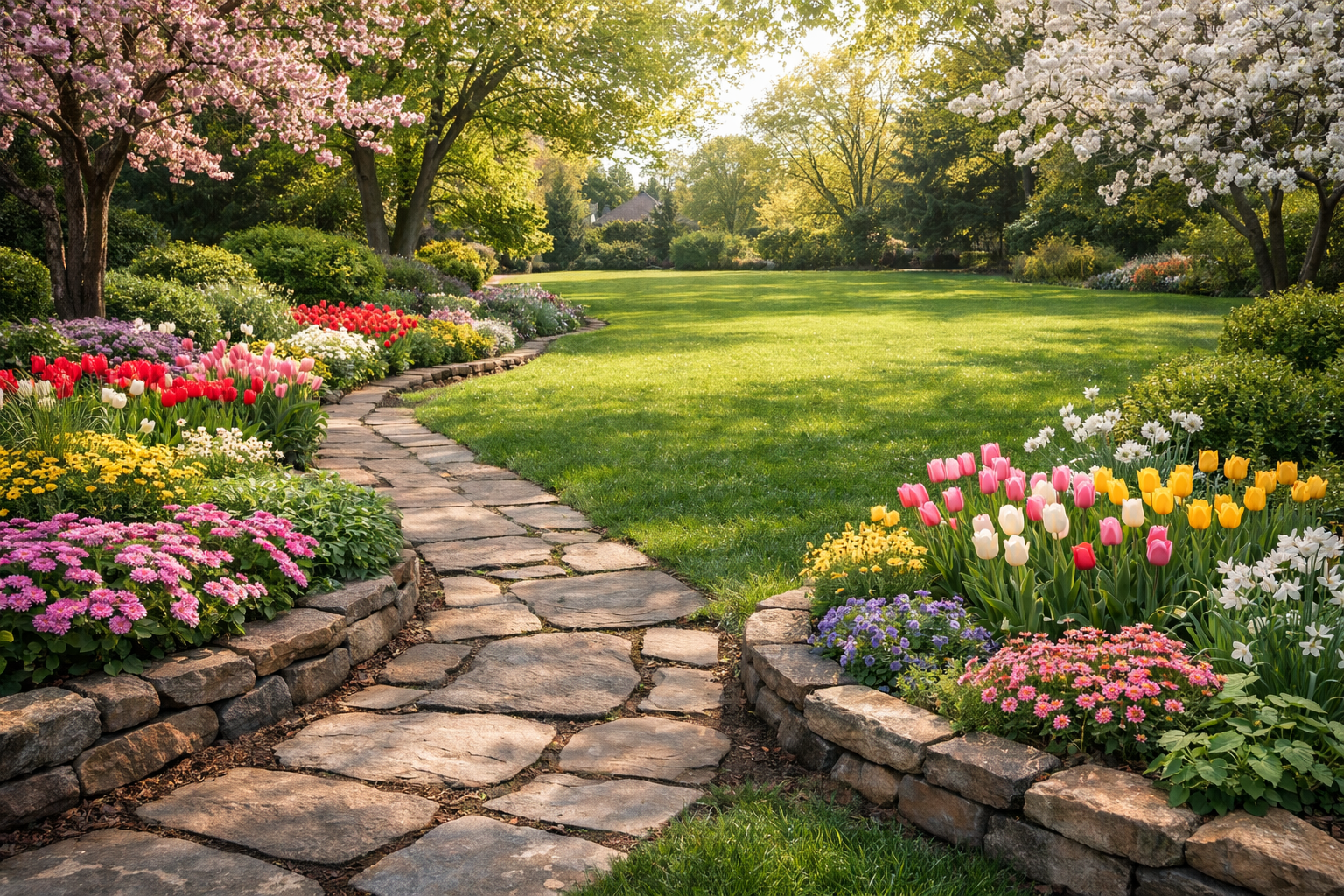
The Green Symphony: Integrating Plant Diversity for a Harmonious Garden Dec 25, 2025
Having a variety of plants in your garden is essential for several reasons. Diverse plant species can attract an array of beneficial insects, including pollinators like bees and butterflies, which are crucial for flowering and fruiting plants. These pollinators ensure that your garden remains vibrant and productive, year after year. Moreover, a garden with diverse flora supports a balanced ecosystem, naturally controlling pests without the need for harmful chemicals.
One key benefit of plant diversity is its role in soil health. Different plant types have varying root structures, which help to aerate the soil and improve its quality. This complex root system not only strengthens plants but also prevents soil erosion. For instance, the deep roots of native grasses such as switchgrass can anchor the soil, ensuring stability, while complementing the growth of surrounding shrubs and flowers.
Transitioning from lawns to a more mixed planting scheme can be a rewarding endeavor. Lawns, although traditional, often require extensive maintenance and resources. By integrating perennials, annuals, and shrubs into your landscape, you create a visually appealing environment that supports local wildlife. Additionally, themed garden sections can be planned—herb gardens near the kitchen, a butterfly garden in sunny spots, or a tranquil corner with native shade-tolerant plants.
When planning your garden's layout, consider incorporating plants with different bloom times. This approach ensures year-round interest and sustenance for wildlife. In spring, bulbs like daffodils bring early color, while summer welcomes the flamboyant hues of coneflowers and black-eyed Susans. As autumn approaches, the vibrant foliage of maples and the rich tones of asters extend your garden's beauty. Winter interest can be maintained with evergreens and the architectural beauty of ornamental grasses.
Water management is another crucial aspect where plant diversity plays a pivotal role. Some plants are naturally drought-tolerant, such as lavender and succulents, which can thrive in drier conditions. By complementing these with moisture-loving plants like ferns and hostas in low areas, you can optimize your water usage and create a sustainable landscape. Efficient irrigation solutions provided by companies like Extra Mile Landscape & Irrigation can further support these diverse planting schemes.
Ultimately, integrating plant diversity into your garden is a journey towards creating harmony between nature and landscape design. It is a testament to nature's resilience and beauty, offering an ecological and aesthetic triumph. By cultivating a variety of plants, you are contributing to the preservation of biodiversity and the creation of a sanctuary for life in your own backyard.
In conclusion, plant diversity is not just a gardening choice; it is an invitation to embrace a more sustainable and enriching way of living. At Extra Mile Landscape & Irrigation, we are committed to helping you bring this vibrant vision to life. By weaving a tapestry of diverse plant life, you can create a garden that sings in unison with nature, offering enjoyment and tranquility throughout the seasons. Embrace the symphony of green and let your garden be a harmonious testament to nature's masterpiece.