Textural Tandems: Using Contrasting Materials in Landscape Design for Dramatic Effect Sep 08, 2026
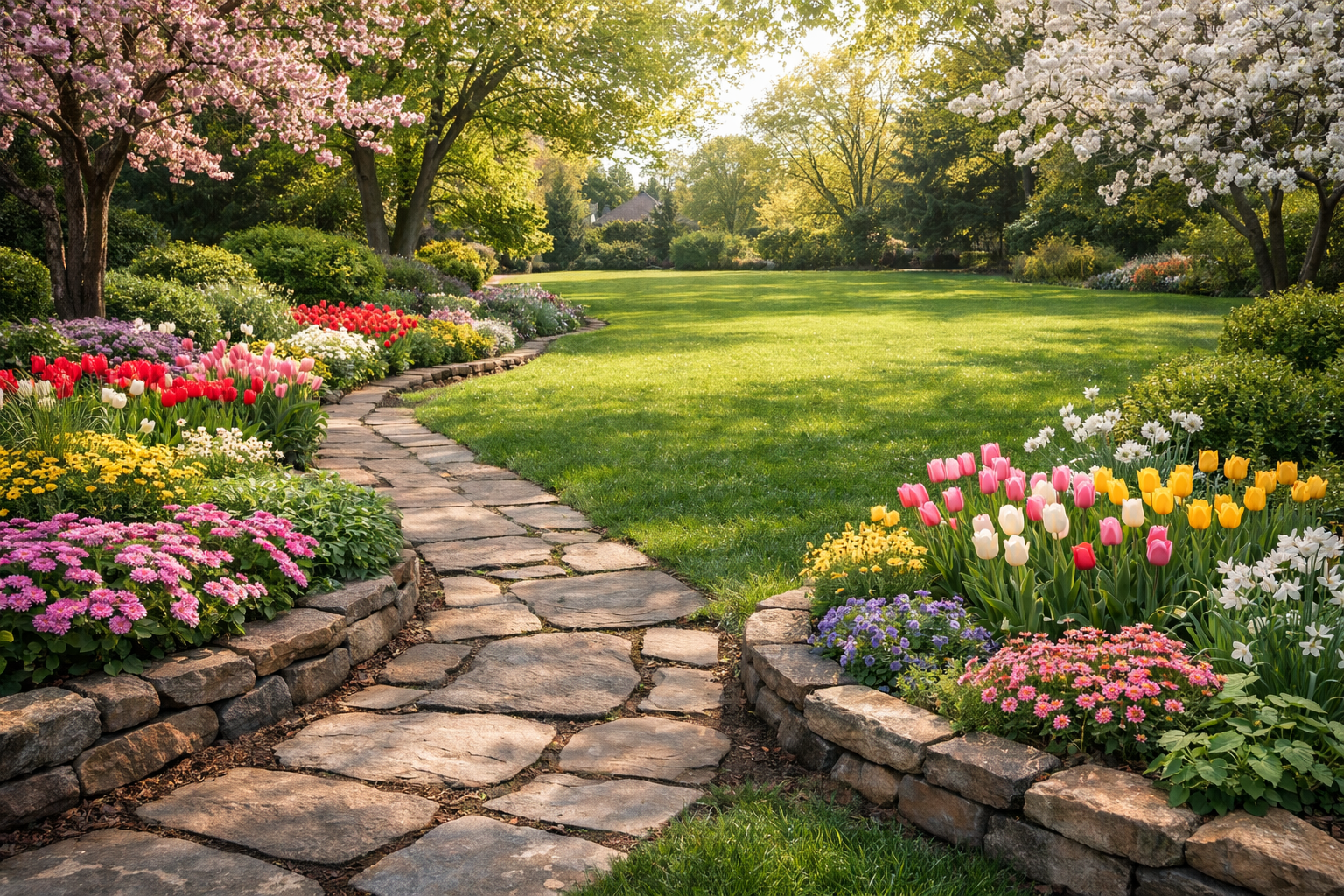
In the ever-evolving world of landscape design, contrast is key. Walking through a garden that lacks contrast can feel monotonous and uninspired. Conversely, using contrasting materials such as stone and grass or metal and wood can create an engaging play of textures that captivates onlookers. Imagine a pathway where smooth granite tiles are bordered by vibrant, soft moss. This contrast not only highlights each element but also invites visitors to experience a variety of textures and colors, making the landscape more interactive.
For homeowners seeking a more traditional feel, incorporating contrasting materials like brick and greenery can lead to stunning outcomes. Brick's rough texture juxtaposed with the lush green of small shrubs or ground covers creates a harmonious balance that adds warmth and charm to any garden setting. Of course, it isn't just about the materials themselves, but also about how they are arranged. Techniques such as checkerboarding or interweaving can be employed to further enhance these contrasts and make the design pop.
Another popular combination in landscape design is wood and water. A wooden deck or boardwalk pierced by a serene water feature such as a bubbling stream or reflective pond can transform a simple yard into a tranquil retreat. Here, the warmth of the wood is softened by the fluidity of water, providing a sensory contrast that is both calming and captivating. This arrangement not only improves the function of the space by creating distinct areas for relaxation but also plays up the natural beauty of the materials used.
Metal, often overlooked in landscape design, can serve as a powerful contrasting material. Metals like wrought iron or steel have an inherent strength and sleekness that pairs beautifully with softer elements like grasses or trailing vines. These dynamic duos create focal points in gardens, capturing the light and shadow while providing a durable and low-maintenance option for homeowners. Whether it’s via sculptures, planters, or structures, metal’s reflective properties also add a modern touch to landscape designs that are timeless yet contemporary.
However, working with contrasting materials requires a thoughtful approach to ensure balance and cohesiveness. It's crucial to select materials that complement each other rather than compete for attention. The use of color, pattern, and scale should be carefully balanced to achieve a cohesive look. Consulting with professionals, such as those at Extra Mile Landscape & Irrigation, can ensure that the combinations chosen enhance the beauty and functionality of your outdoor living spaces.
In conclusion, using contrasting materials in landscape design is a powerful technique that brings depth and character to any space. By balancing different textures, homeowners can create a dynamic environment that engages the senses. Whether you're starting from scratch or enhancing an existing garden, consider employing this strategy to boost both the visual and tactile aspects of your outdoor area. Reach out to Extra Mile Landscape & Irrigation to explore how we can transform your garden into a masterpiece of design and function.