Rooted in Resilience: Designing Landscapes for Dynamic Weather Conditions Apr 01, 2026
As weather conditions fluctuate more than ever, resilient landscape design becomes increasingly crucial. The first step in crafting a robust garden is understanding your local climate. Knowledge of temperature ranges, frost dates, and precipitation patterns will guide your choices in plant selection and landscape features. Working with local plant species, which are inherently adapted to thrive under the prevailing weather conditions, can significantly bolster your garden's resilience. Native plants often require less water and maintenance, making them perfect allies in sustainable landscape design.
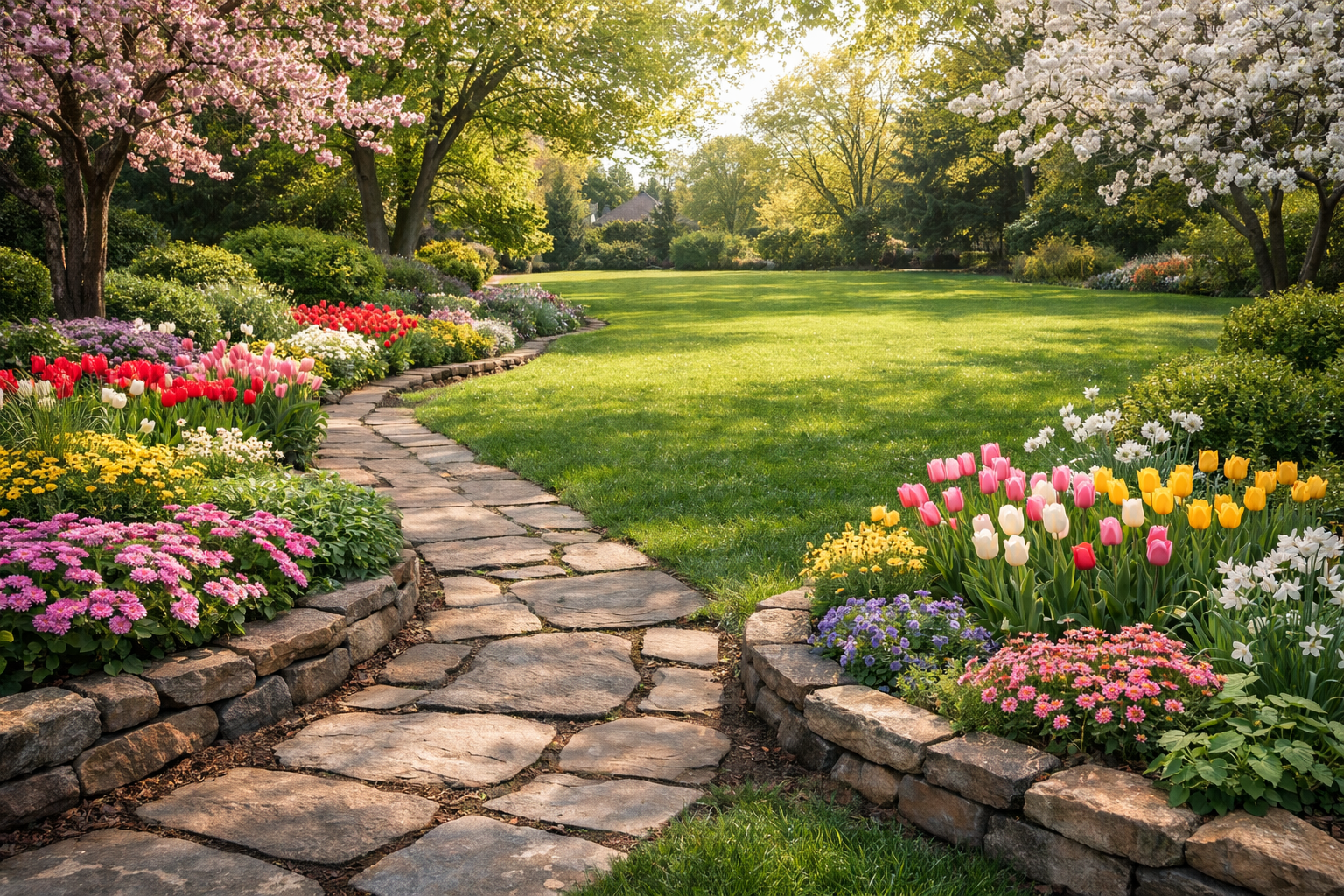
Beyond plant selection, the strategic use of hardscape elements can enhance your landscape's durability. Incorporating features like retaining walls and permeable paving not only adds aesthetic value but also serves practical purposes. Retaining walls can prevent soil erosion during heavy rainfall, while permeable paving allows water to seep into the soil, reducing runoff. By employing such solutions, you ensure your garden's structure remains intact during severe weather episodes.
Equally vital is the need for efficient irrigation solutions. A well-designed irrigation system tailored to dynamic weather conditions ensures that your plants receive adequate moisture without wastage. Drip irrigation, for instance, provides targeted watering, helping conserve water while keeping your plants hydrated during dry spells. Also, installing moisture sensors can help you adjust watering schedules based on real-time soil conditions, optimizing your irrigation efforts with precision.
Moreover, incorporating rain gardens into your landscape design offers both beauty and functionality. By diverting rainfall runoff to a designated garden area, you can prevent flooding and erosion and promote groundwater recharge. Rain gardens can be filled with native plants that tolerate occasional inundation, creating a pleasant visual appeal while supporting local biodiversity.
A key aspect of designing for resilience is planning for extremes. This includes selecting plants with a wide range of tolerance to temperature variations, drought conditions, and storms. Hardier plant varieties can withstand freezing temperatures and high winds, ensuring they remain a steadfast part of your landscape through seasonal shifts.
Finally, consider the overall design layout. Windbreaks, such as tall hedges or strategically placed trees, can shield your garden from harsh winds, reducing potential damage and maintaining a microclimate that supports plant health. Layering plants in a tiered fashion can also improve the garden's resilience, as lower-lying plants are protected by their taller counterparts.
In conclusion, designing a landscape for dynamic weather conditions not only secures its aesthetic value but also ensures long-term sustainability. With Extra Mile Landscape & Irrigation guiding you every step of the way, your garden will be a testament to the power of nature's resilience. By integrating climate-adapted plants, durable hardscape features, efficient irrigation systems, and mindful design philosophies, you create an outdoor space that thrives under any weather circumstance. Embrace the challenge and transform your garden into a resilient oasis, ready to flourish amidst the unpredictability of nature.