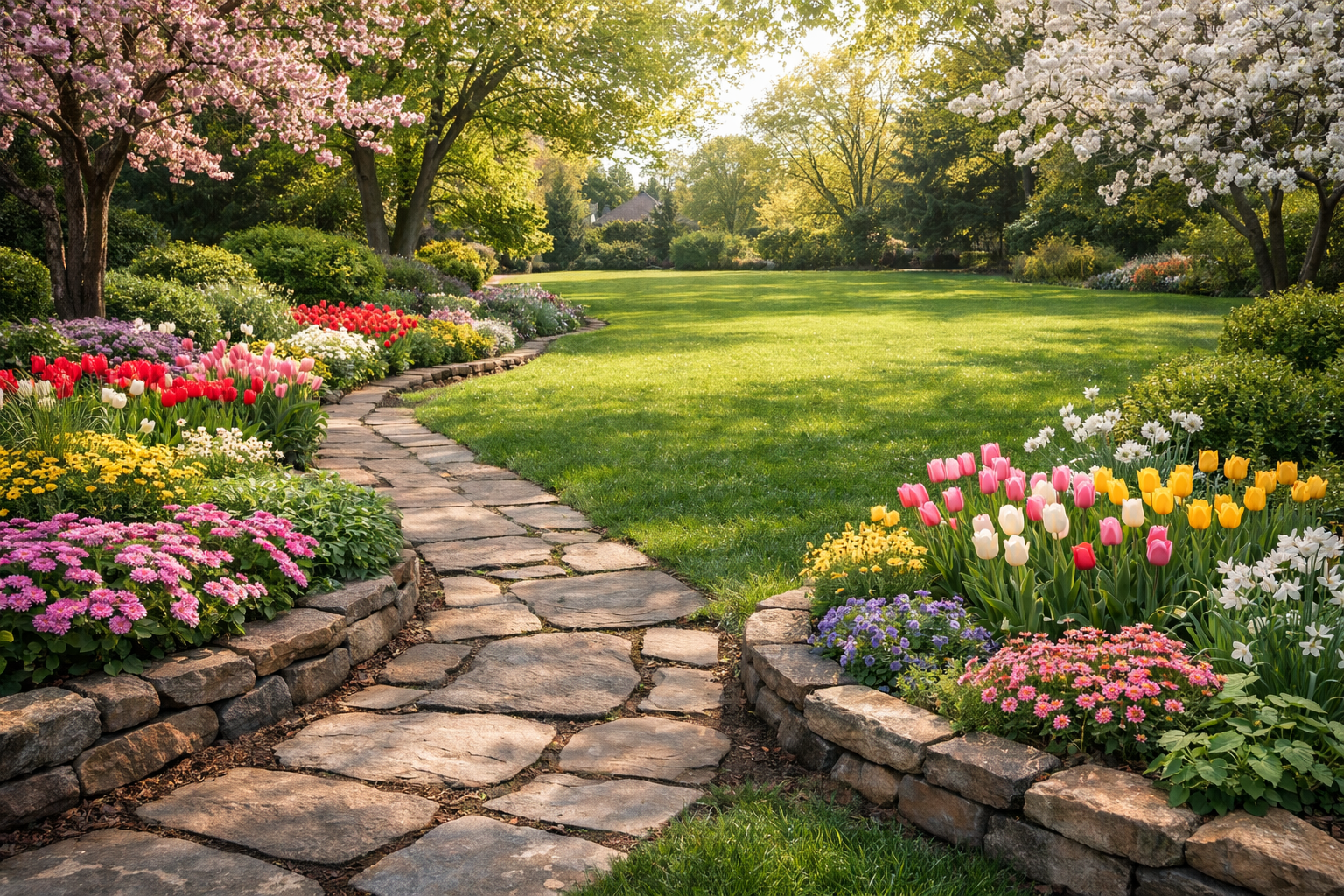
Nurturing Nectar: Creating Pollinator-Friendly Gardens to Attract Bees and Butterflies Mar 01, 2026
Pollinators are vital for the reproduction of over 80% of flowering plants. By creating gardens specifically designed to attract and support these creatures, you're directly contributing to their survival and, by extension, ours. Imagine your garden as a bustling neighborhood filled with colorful flowers, where bees and butterflies are regular visitors. This vision can be a reality with the right planning and plant choices.
Start with selecting native plants, which are naturally adapted to your region’s climate and soil conditions. Native plants require less maintenance, being resilient to local pests and diseases, and provide the right type of nectar and pollen that local pollinators need. Favorite choices include milkweed for monarch butterflies or purple coneflowers and black-eyed Susans for bees. These plants not only attract pollinators but also add a splash of color and texture to your garden.
When designing your pollinator-friendly garden, consider arranging plants in clusters rather than solitary or sparse placements. This will make it easier for the bees and butterflies to locate and access the nectar. Plan for a succession of blooms throughout the growing season to ensure there’s always something in flower. This continuity provides a steady food supply for pollinators from spring through fall.
Beyond flowers, remember that bees and butterflies also need protection and a place to rest. Incorporating elements such as rocks, logs, and small water features can offer shelter and hydration. These features enhance the natural habitat, providing safe spaces when the weather is harsh. A small, shallow dish of water with stones for perching can suffice as a hydration spot for these delicate creatures.
To further support pollinator health, avoid using pesticides in your garden. These chemicals can be harmful not only to pests but also to the beneficial insects you are hoping to attract. Instead, try natural methods like companion planting to deter unwanted pests. For instance, marigolds can help repel aphids and nematodes effectively without the need for harmful chemicals.
Engaging local community efforts or educational programs centered around bees and butterflies can amplify your garden's impact. Sharing native seeds or plant cuttings with neighbors can expand the reach of pollinator-friendly spaces. Additionally, participating in a local "bee-friendly" certification program can provide guidelines and support for enhancing your garden's success.
In conclusion, transforming your garden into a pollinator paradise is a rewarding venture that supports essential species, boosts plant health, and offers an enchanting outdoor space. At Extra Mile Landscape & Irrigation, we encourage you to take that extra mile, nurturing nature one plant at a time. With thoughtful planning and strategic plant selection, your garden can become a thriving sanctuary for pollinators, contributing positively to the health of our local ecosystems and enhancing your landscape's natural beauty.