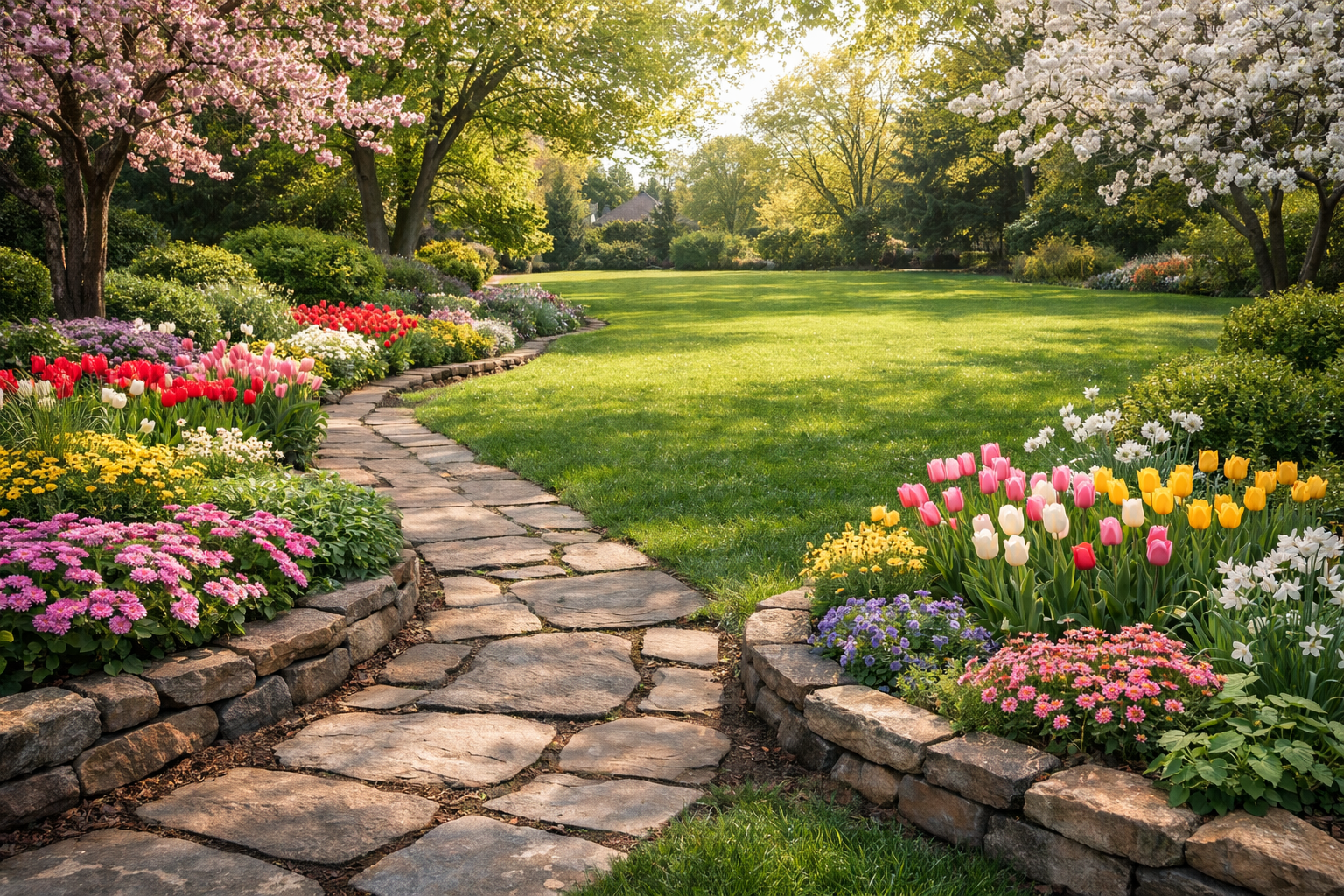
Harmony at Home: Integrating Wildlife-Friendly Features in Small Landscapes Mar 08, 2026
A great starting point for integrating wildlife-friendly features is understanding the natural habitat requirements of local species. Birds, bees, butterflies, and other beneficial creatures seek shelter, food, and water. By incorporating elements that cater to these needs, you'll encourage a bustling ecosystem right in your backyard. The beauty of working with a small landscape is that you can carefully select a few impactful features that make a significant difference.
Firstly, consider the plants you select for your landscape. Native plants are a goldmine for wildlife as they have evolved alongside local fauna over centuries. They provide familiar food sources and require less maintenance since they are well-adapted to the local climate. Flowering shrubs like coneflowers or milkweed can attract butterflies, while berry-producing bushes such as elderberry or serviceberry offer nutritional benefits to birds.
Speaking of birds, installing a bird feeder or bird bath can significantly enhance your landscape’s appeal as a bird-friendly environment. Place them strategically, so they are visible yet offer some cover from predators. Regular cleaning of bird baths ensures a healthy, safe water source that encourages frequent visits.
Bees are crucial pollinators that often face challenges due to habitat loss. To support these industrious insects, think about creating small pollinator zones. A simple way to do this is by planting wildflowers or building a small bee hotel. These features not only assist in maintaining the bee population but also contribute a splash of vibrant color to your landscape.
Butterflies, another pollinating powerhouse, require both nectar plants for food and host plants for laying eggs. By including varieties of each, you provide a complete support system for their lifecycle. A butterfly garden can be a combination of flowering plants such as lavender, daisies, and mint.
Don’t overlook the power of water features. Even a small pond or a well-placed birdbath can be a haven for a variety of wildlife, from dragonflies and amphibians to birds. These elements add a serene, calming effect to your landscape, offering a sensory experience that you and your visiting wildlife will love.
Creating small habitats such as rock piles or brush heaps can provide shelter to reptiles, amphibians, or small mammals. These elements can be creatively integrated along borders or in less-trafficked corners of your garden.
It's important to minimize chemical use in your small landscape to protect the visiting wildlife. Consider organic pest control methods and natural fertilizers, which can promote a healthy environment and encourage wildlife to flourish.
In conclusion, by following these strategies, you can create a small landscape that not only enhances your home’s aesthetic value but also supports the essential roles that wildlife play in the ecosystem. At Extra Mile Landscape & Irrigation, we are dedicated to helping you design and implement a wildlife-friendly landscape that brings nature closer to your doorstep. Embrace the harmony of coexisting with wildlife and enjoy the myriad benefits it offers.