Embracing Edible Landscapes: Creating Sustainable Gardens with Bountiful Harvests May 17, 2026
To begin creating an edible landscape, start by assessing your garden’s space and sunlight exposure. This step is crucial as certain edible plants thrive in different conditions. Consider working with the experienced team at Extra Mile Landscape & Irrigation, who can help you analyze your garden’s microclimates and choose the right plants for each area.
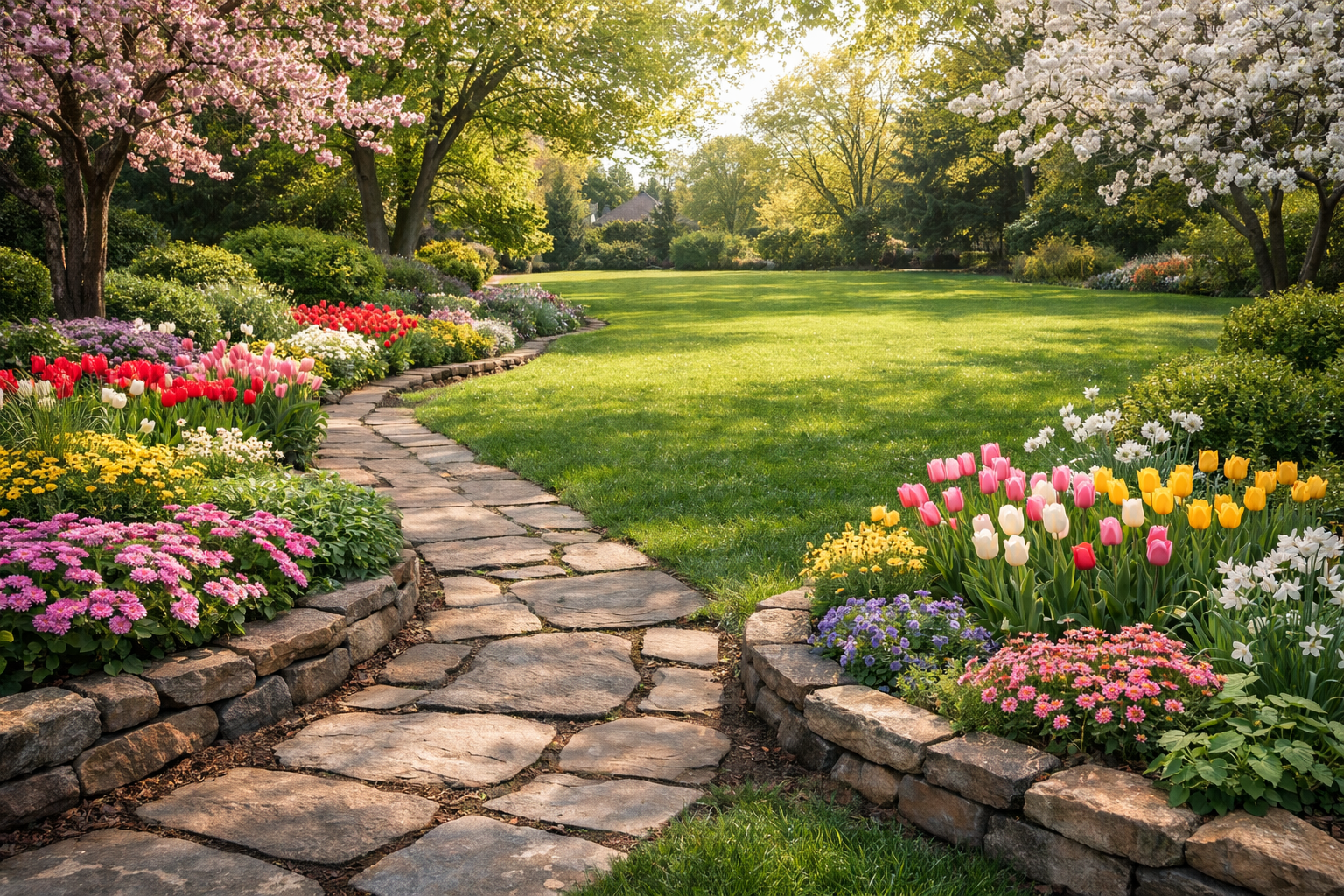
Once you have assessed your space, it’s time to design your landscape. Instead of separating edible plants from ornamental ones, integrate them for a cohesive, visually pleasing layout. Consider planting fruit trees like apple or pear as focal points, surrounded by smaller shrubs such as blueberries or roses, which offer both beauty and harvest. Use ground cover herbs like thyme or oregano to add color and texture to your paths and borders while serving culinary purposes.
To ensure your garden is productive throughout the year, select a variety of plants that harvest at different times. Include early-spring plants like spinach and peas, summer favorites such as tomatoes and peppers, and fall crops like pumpkins and squash. This diverse selection will guarantee a continuous supply of fresh produce, keeping your meals varied and your garden bustling with life.
In addition to planting fruits and vegetables, don’t forget to incorporate herbs and edible flowers, which support a thriving ecosystem. Herbs like basil, parsley, and mint not only enrich your recipes but also attract beneficial insects that aid in pollination and pest control. Edible flowers such as nasturtiums and pansies add pops of color and can be used as garnishes on salads and desserts.
Maintaining an edible landscape requires careful planning and regular upkeep. Apply organic mulches to conserve moisture, suppress weeds, and enrich the soil as they decompose. Utilizing compost and organic fertilizers will provide necessary nutrients, ensuring your plants remain healthy throughout their growth cycle. Regularly check for pests and diseases, and practice organic methods of control to keep your garden chemical-free.
As your garden matures, relish in the satisfaction of reaping a bountiful harvest while knowing you’re contributing to a more sustainable way of living. Consider preserving your harvest through canning, dehydrating, or freezing, so you can savor the taste of homegrown produce even in off-seasons.
In conclusion, edible landscaping is more than just a gardening trend; it is a lifestyle that promotes sustainability and well-being. By partnering with Extra Mile Landscape & Irrigation, you can bring this concept to your home, achieving a harmonious blend of beauty and functionality. From landscape design to maintenance tips, let their experts guide you in creating a thriving edible garden that supports both the environment and your family’s health. Embrace the potential of your garden, and transform it into a source of pride and nourishment.